
Slate Roof Inspection St Louis
Slate Roof Inspection St Louis for Clearer Answers Before Bigger Problems, Metro East Illinois
Slate Roof Inspection St Louis homeowners schedule should provide evidence before action, not guesses before expense. A slate roof can show one visible sign from the ground while the real condition of the system tells a different story. A loose area, aging transition, moisture path, or worn detail may look minor at first, but an inspection helps determine whether that concern is isolated, repeated, or part of a broader issue.
At L&M Slate & Tile Roofing of St. Louis, we use inspections to separate symptoms from causes. Instead of jumping straight to repairs, the process should help homeowners understand what the roof is showing, what it may be hiding, and what level of action makes sense. We proudly serve St. Louis MO, and its nearby towns such as Metro East Illinois, Fairview Heights, Frontenac, St. Peters, and St. Louis County.
Tile Roof Inspection St Louis Homeowners Schedule to Understand Roof Condition, Fairview Heights
A tile roof inspection St Louis homeowners schedule serves the same purpose: understanding the true condition of the roof before deciding what should happen next. Tile roofs can still appear visually strong while certain sections begin behaving differently under weather, water movement, or age. A homeowner may notice one concern, but an inspection can reveal whether the issue is limited or connected to surrounding sections and supporting details.
That is why an inspection matters even before a repair decision is made. It gives the homeowner a clearer answer to an important question: is this a small correction, a pattern of wear, or a sign of a larger shift in the system?
Roof Inspection for Slate Roof St Louis Homes Need Before Bigger Repair Decisions, Frontenac
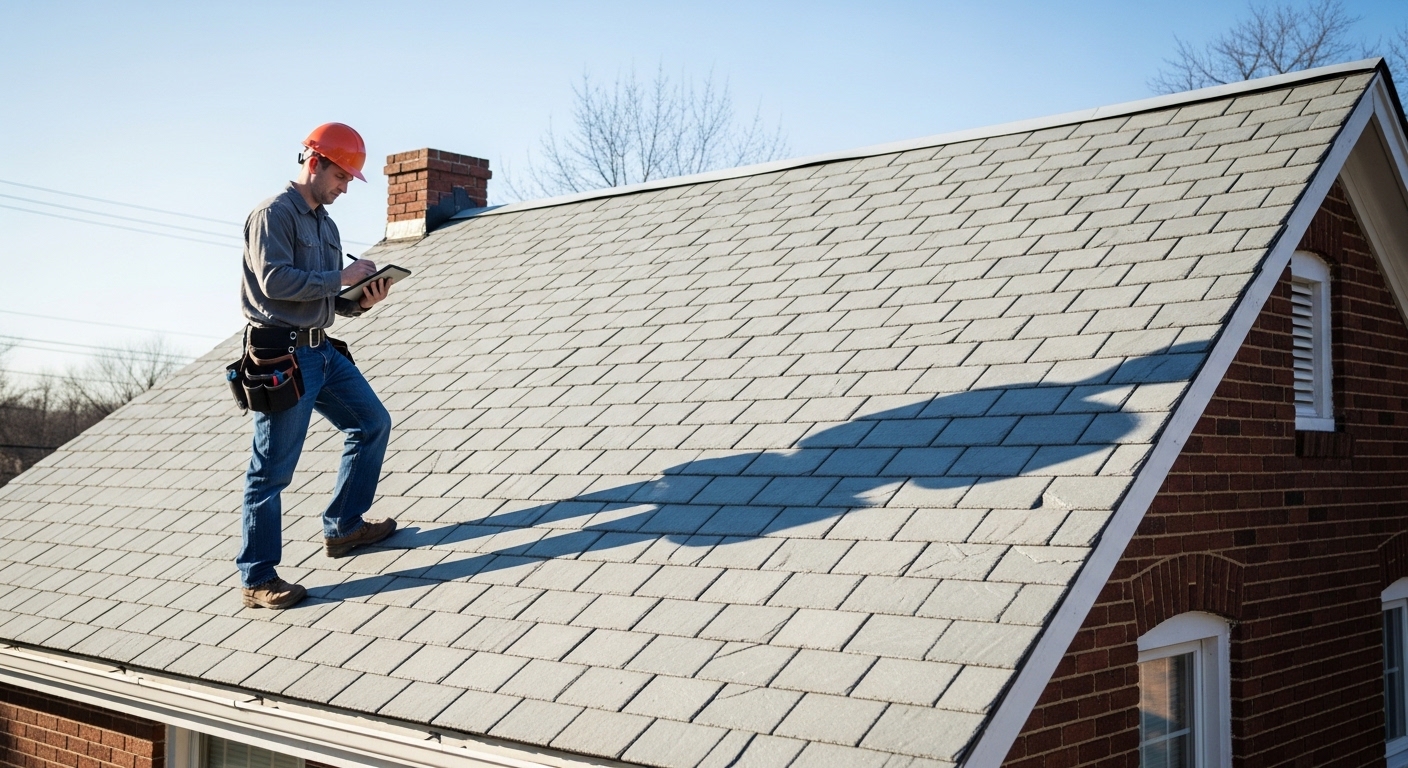
A roof inspection for slate roof St Louis homes need is especially useful before larger repair decisions are made because slate systems do not always age evenly. One area may remain stable while another begins showing wear around a detail point, flashing connection, or transition line. Without inspection, a homeowner may only see the part that drew attention first and not the condition of the surrounding roof.
That is why an inspection should be treated like a diagnostic step. It helps confirm whether the concern is truly isolated or tied to a wider pattern that changes what kind of service makes sense.
Leak Inspection Slate Roof St Louis Property Owners Need After Warning Signs Appear, St. Peters
A leak inspection slate roof St Louis property owners need often begins after a warning sign appears inside the home, but the most important part of the inspection is tracing that sign back to its source. A ceiling stain, damp attic space, or moisture mark may point to a roofing problem, but it does not always show where that problem started. Water can travel, which means the visible symptom is not always the true location of failure.
That is why leak inspection is about more than confirming water is present. It is about identifying the path, the cause, and the roof condition that allowed the leak to form in the first place.
Roofing Inspection St Louis MO Slate Roof Owners Can Rely On for Informed Planning, St. Louis County
A slate roof deserves a closer inspection when the visible signs do not tell the full story. Moisture marks, uneven sections, storm-related changes, or a repeated sense that something is off are all strong reasons to gather clearer evidence before deciding what to do next.
A professional inspection helps move the decision-making process away from guesswork. Instead of reacting only to the most obvious symptom, homeowners can gain a better understanding of what is actually happening across the roof system and whether the concern appears isolated or part of a broader pattern.
Get Your Free Quote Today , St. Louis, MO and Richmond Heights
Inspect First. Decide Smarter.
Explore Our Roofing Services
Frequently Asked Questions (FAQs)
How do I know if I need a slate roof inspection in St. Louis?
You may need a slate roof inspection if you notice a leak, moisture marks, uneven roof areas, storm-related changes, or if something about the roof no longer seems right. An inspection helps determine whether the issue is isolated or part of a larger roofing concern.
What does a slate roof inspection include?
A slate roof inspection usually looks for signs of aging, loose or shifted areas, worn flashing details, possible leak paths, and other conditions that may affect how the roof performs. The goal is to understand the true condition of the roof before deciding what to do next.
Can a roof inspection tell me if I need repair or replacement?
Yes. One of the biggest reasons homeowners schedule an inspection is to find out whether the problem looks minor, repeated, or part of a broader pattern. That helps you make a better decision between repair, maintenance, or replacement.
Should I get my slate roof inspected after a storm?
Yes. Storm damage is not always obvious from the ground, especially on slate and tile roofs. An inspection after a storm can help identify whether wind, debris, or water affected the roof in ways that may not be easy to see right away.